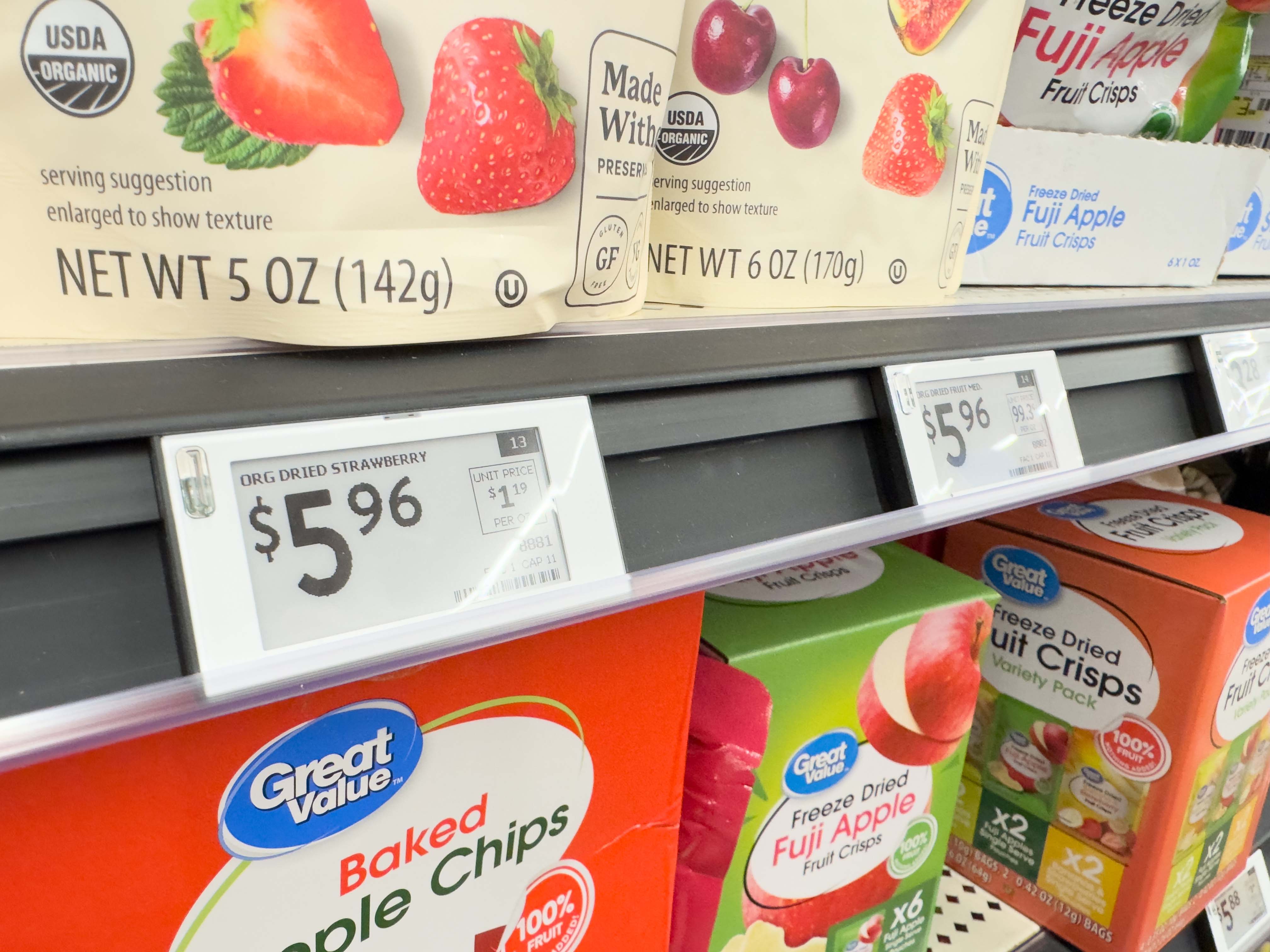
Governor Sherrill has signed into law two bills addressing the use of technology and consumer data in pricing decisions. Together, the laws impose new restrictions on algorithm-assisted rent setting, surveillance pricing for groceries and other goods, and the deployment of electronic shelf labels. The new requirements affect residential landlords, property managers, grocery retailers, and technology and data vendors operating within the State.
Forbidding the Algorithmic Inflation of Rent (“FAIR”) Act
On July 20, 2026, the Forbidding the Algorithmic Inflation of Rent Act (“FAIR Act”) was enacted. The FAIR Act restricts the use of certain algorithmic tools in determining residential rent levels and takes effect on July 1, 2027.
The FAIR Act was passed in response to what the Legislature characterized as New Jersey’s affordable housing crisis. The Legislature found that more than 50% of New Jersey renters are “rent burdened.” It cited national data indicating that residential landlords have used property-management software to coordinate pricing, restrain competition, and increase residential rents.
Rather than prohibiting landlords from using algorithms generally, the FAIR Act focuses on algorithmic systems that perform a “coordinating function,” which encompasses systems that collect competitively sensitive information from two or more rental property owners and use that information to set or recommend rents, material lease terms, or occupancy levels. Coordinating functions extend to systems that use another rental property owner’s competitively sensitive information and systems that make recommendations to multiple owners through the same or substantially similar algorithm in a manner that facilitates parallel pricing coordination.
“Competitively sensitive information” includes nonpublic information concerning prices, supply levels, security deposits, desired occupancy levels, lease termination and renewal dates, and other material lease terms. The FAIR Act defines nonpublic information broadly and provides that information combining public and nonpublic information is treated as nonpublic information.
The FAIR Act makes it unlawful under the New Jersey Antitrust Act for a rental property owner, or its agent, representative, or subcontractor, to provide consideration in exchange for the use of a “coordinator.” It also prohibits coordinators from facilitating tacit or express agreements that restrict competition and prohibits parallel pricing coordination. Accordingly, landlords that subscribe to covered technology and vendors that provide it may face exposure under the statute.
However, the FAIR Act contains several limitations. A “coordinating function” does not include certain research, statistical analysis, or testing that is not used to set or recommend current or future lease terms; publicly available rent estimates provided at no cost; qualifying real estate brokerage databases; or government-imposed affordability controls. The definition of an “algorithmic device” also excludes certain conventional spreadsheets that operate without artificial intelligence and require human analysis, as well as databases that use algorithms solely to query unprocessed stored data.
Fair Price Protection Act
On July 23, 2026, Governor Sherrill signed the Fair Price Protection Act (the “Fair Price Act”) into law. The Fair Price Act specifically targets “surveillance pricing” of groceries and other goods, imposes separate restrictions concerning electronic shelf labels, and becomes effective on August 1, 2027.
The Fair Price Act defines “surveillance pricing” as pricing in which the price of groceries or other covered goods is determined, adjusted, optimized, or recommended by an algorithm or automated system based, at least in part, on personal data, resulting in different prices for individual consumers or groups of consumers. The definition expressly encompasses data collected through technologies such as sensors, cameras, device tracking, and biometric monitoring.
The Fair Price Act makes it unlawful under New Jersey’s consumer-fraud law to use surveillance pricing or another pricing strategy that determines or varies the sale price of covered goods based, in whole or in part, on personal data. “Personal data” is broadly defined as information linked or reasonably linked to an identified or identifiable consumer.
The prohibition includes several exceptions. Different prices may be offered based on reasonable costs of providing goods to consumers, provided the price is not changed more than once in twenty-four hours. The Fair Price Act also permits bona fide discounts offered pursuant to publicly and conspicuously disclosed eligibility criteria, as well as certain loyalty-program discounts, provided the statutory requirements for voluntary enrollment, uniform terms and conditions, disclosures, and data practices are satisfied. Where personal data is used to provide one of these permitted price differences, the data generally may not be used for another purpose without the consumer’s consent.
Beginning February 1, 2027, the Fair Price Act separately imposes a one-year moratorium on the new use of electronic shelf labels (digital displays used to show an item’s current price). During that period, the New Jersey Innovation Authority, in consultation with the Division of Consumer Affairs, is directed to study the effects of electronic shelf labels and their relationship to surveillance pricing and to report its findings and recommendations to the Governor and Legislature.
The moratorium does not prohibit businesses from purchasing, installing, or deploying new electronic shelf labels solely to repair or replace labels that were already operating at the same place of business before the moratorium’s effective date. Unless the Legislature acts further, businesses may deploy new electronic shelf labels after the moratorium expires, subject to applicable consumer-protection laws and regulations.
Considerations for Businesses
The FAIR Act and Fair Price Act reflect New Jersey’s increasing scrutiny of the intersection among pricing decisions, automated technology, competitive data, and the use of consumer information. Affected businesses should review their pricing systems, data practices, and vendor relationships before the applicable effective dates.
About O’Toole Scrivo, LLC
We are a carefully crafted mid-sized law firm of recognized subject matter experts practicing primarily in New York and New Jersey. We combine large-firm expertise with small-firm attention to client needs, representing businesses, insurance companies, and government entities. We are committed to delivering creative and timely results for the most high-profile and complex matters.